

Dive Brief:
- Travelers next year are expected to focus on “personal growth, flexibility and discovery” over “perfection,” as they increasingly plan trips on their own terms, according to Hilton’s 2027 Trends Report.
- Trends identified in Hilton’s report, which surveyed 14,744 global travelers across 14 countries in collaboration with Morning Consult, include the rise “solo-ish” travel; restorative wellness experiences; shorter, more frequent trips; and “growth getaways,” or trips that inspire personal growth, per Hilton. It also found that while artificial intelligence is reshaping how people plan and book travel, the human touch is the differentiator.
- As traveler expectations evolve, the “blending of physical environments and human touch with digital products” will help guests “make the most of their travel experience,” Chris Nassetta, Hilton’s president and CEO, said in a statement. This comes as travelers increasingly place a premium on mental wellbeing and view wellness as an expectation, not just an amenity.
Dive Insight:
According to Nassetta, travelers are “looking for experiences that fit their lives, help them recharge, and create meaning” long after returning home.
That means letting go of the idea of a perfect vacation, in what Hilton is referring to as “The Great Rebalance,” a broader behavioral shift.
The report found that 41% of travelers surveyed plan to take a solo trip this year, while 31% of travelers plan to travel solo and meet up with friends or family at the destination, which reflects “a broader shift toward blending independence with connection.” The biggest motivations for those planning solo trips are: relaxing and recharging; having time for personal reflection and growth; having a flexible schedule; not having to consider others; and enjoying time spent alone without feeling guilty.
Wellness is also top of mind for travelers, with 76% of those surveyed saying travel “helps them recharge mentally and physically in ways they can't easily achieve at home.” For 79% of travelers, the outdoors are “essential” in relaxation, according to the report.
Travel is also being increasingly viewed as a “catalyst for personal growth” especially among Gen Z travelers, who are two times as likely as baby boomers to want to gain a new hobby or interest during their trip, the report found. A change in outlook can also come from activities such as attending a concert or sporting event, or finding a different approach to cooking.
In fact, a fixed event, such as a concert, race, game or festival, motivates 61% of people to book travel and commit to a trip.
Additionally, “micro trips” — defined by 88% of U.S. travelers as fewer than three to four days — are on the rise, according to Hilton. For the year ahead, about 21% of travelers said they are adding more of these short trips to their travel plans. And nearly one third of travelers (29%) said shorter trips allow them to travel more spontaneously, while a quarter of employed travelers said they take shorter, more frequent trips to accommodate their work schedules.
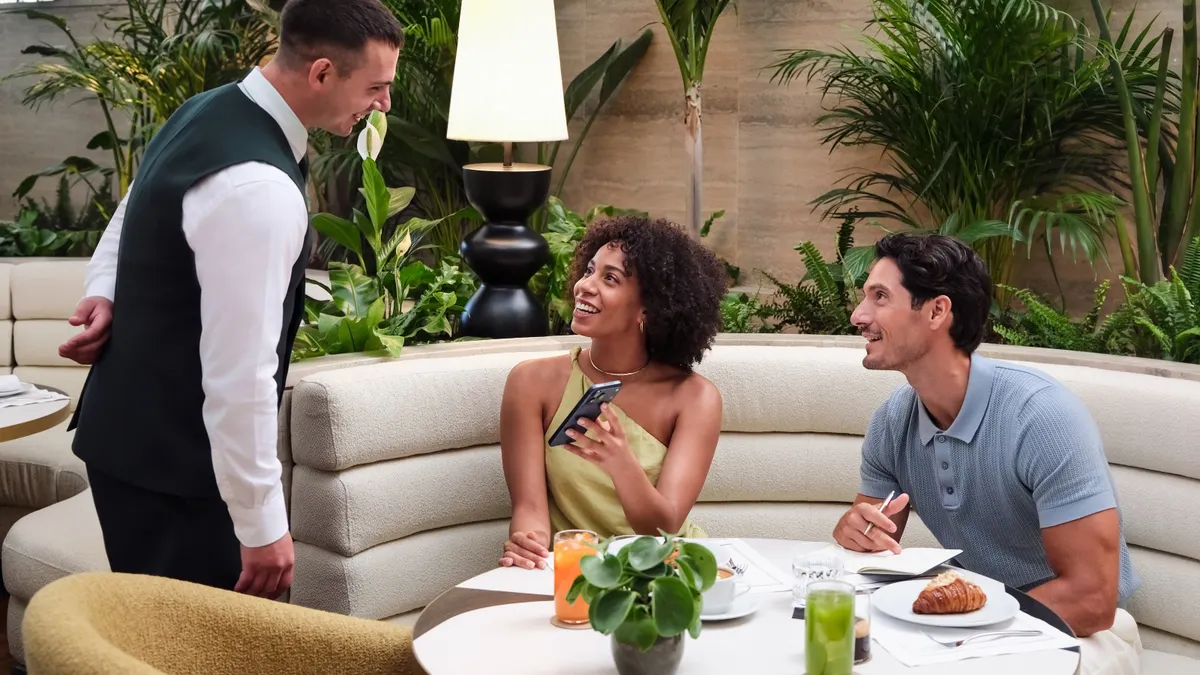
Moreover, in the age of AI, travelers still prefer going to people for travel advice, with 70% of travelers saying they trust hotel staff as a travel planning resource, according to the report. Family members are still the most trusted source of advice, with 87% turning to a relative for travel decisions. Partners and spouses rank among the highest trusted travel advisors, followed by siblings and mothers.
Still, about 63% of travelers said they trust AI tools for travel decisions, and millennial travelers are more likely than other age groups to rely on LLM recommendations. According to Hilton, AI and human expertise can “work together” to shape how people travel.