

So far in 2026, IHG Hotels & Resorts has reported a solid first half, with Americas RevPAR up 5.4% year over year in the second quarter, according to an August earnings report.
On the brands front, the hotel giant launched the Noted Collection in the first half, marking its 21st brand. Meanwhile, this month, IHG’s Indigo brand reached a milestone of 200 open hotels worldwide, according to an October news release.
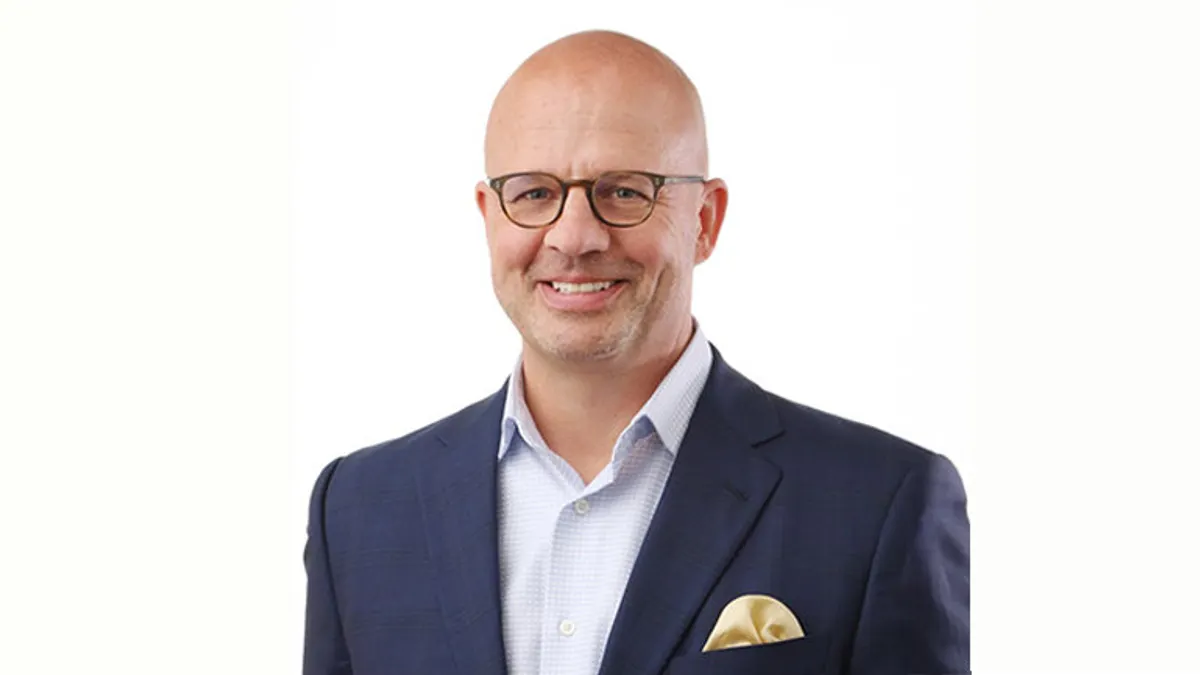
In January, IHG named Mark Sergot chief development officer for the Americas. He is tasked with spearheading IHG’s growth in the region, particularly across its luxury and lifestyle, premium, essentials and suites portfolios.
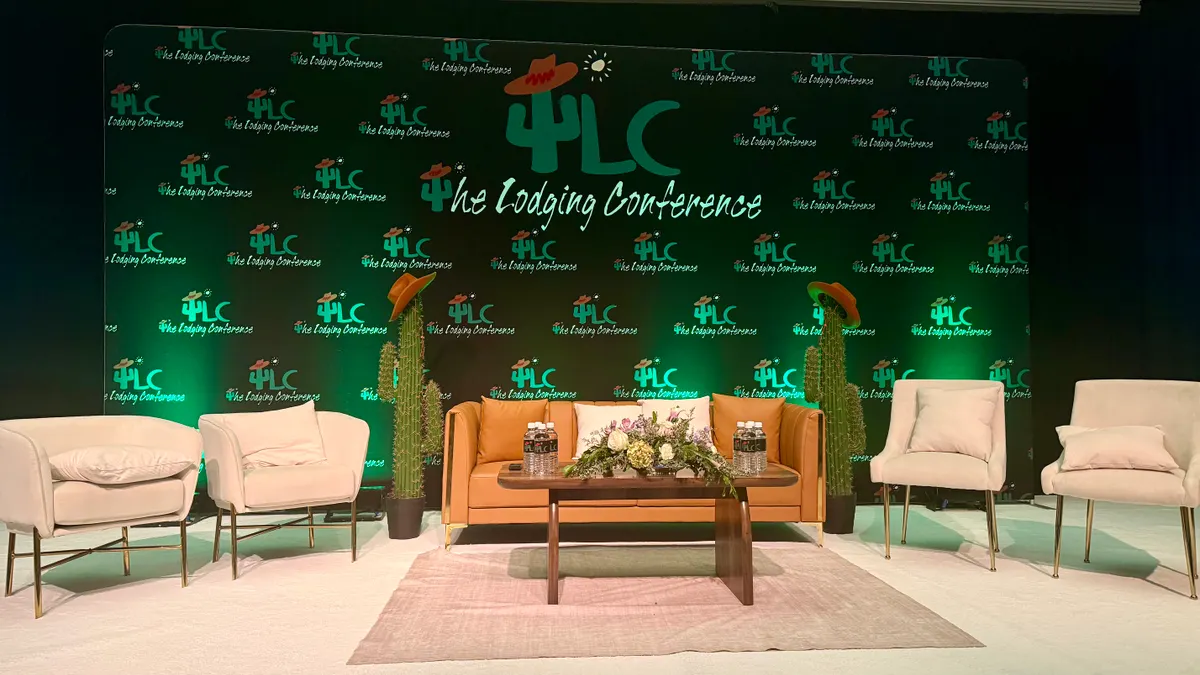
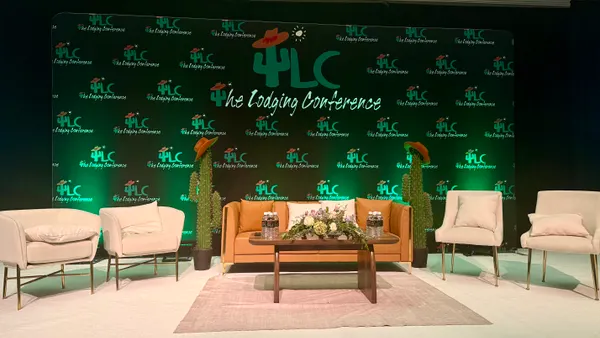
At this year's Lodging Conference in Phoenix, Sergot spoke on a panel about hotel development trends. While he said he thinks the deal market is relatively healthy, there’s still work to be done to reach peak performance.
Hotel Dive sat down with Sergot to learn more about how he views the development landscape, expansion plans for IHG’s brands and the impact of conversions on new construction.
This interview has been edited for clarity and brevity.
HOTEL DIVE: What were some of the challenges you faced coming into your new role, and what have you been able to accomplish?
MARK SERGOT: I’ve been with IHG for seven years, I know how business is done. I was most recently running our global sales organization, so my career has been on the commercial side for the last 30ish years in the business.
I’ve come into the development side of the organization and have applied that sales lens. Like most of these roles, it’s about digging into understanding the people and all the stakeholders that are internal. It’s about our owners, those folks that are critical to our success, spending time with them, understanding what's critical to them, and learning about the things they're thinking about.
Do you think the deal market is healthy?
I think the deal market is healthy; we had a very strong first half as we announced in our reports. We were up 32% versus last year in terms of new deals signed, though it may look a little different whether it’s a conversion from one of our brands or a new deal.
I think if you look across the industry, overall the deals being done are flat to down, but there’s still significant numbers being done. The growth we had in H1 is pretty robust, given the broader economic challenges out there.
"We are laser focused on providing the business that is going to help the owners ultimately get the return that they want, and so that's where I am trying to focus all those conversations with owners around: Are you happy with what you're getting today?"

Mark Sergot
IHG Hotels & Resorts' Chief Development Officer for the Americas
One of the questions I got yesterday was, are conversions a short-term thing or is it long term? In my view, there is likely a longer-term conversion phenomenon happening simply because you have a lot of opportunities in deals that were done 15, 20 years ago where owners are coming up to the end of their term. It could even be a smaller term, and they’re naturally asking the question: ‘Does this still work?’
Many of them are saying, with their existing partner, maybe not. Maybe the existing brand isn’t working for them. Therefore, they’re going to look for another opportunity. It’s not just the terms of the contract or the key money or the fee relief. It’s bigger than that. They’re asking: “Who’s going to deliver that I actually get the profitability I want?” We’re seeing owners who have converted from another brand to one of our brands like Garner, being our fastest-scale brand in the history of IHG.
Owners are saying, ‘We’re seeing better results today than I saw with my prior affiliation,’ and that’s why we think this is a longer-term phenomenon because everybody is going into this. They should be going in with the mindset of how am I going to get the greatest return.
We need to be more focused on what happens after, and that’s why at IHG we’ve built great commercial tools and systems. We’ve got an industry-leading revenue management pricing system.
Are there any downsides to this uptick in conversion activity? Will it have an impact on new construction?
What’s happening today is that you’ve got those that are out there either at the end of their term or closing in on it, and that’s where owners are evaluating those options for next year. There’s going to be a whole batch, three years from now, five years from now. I think those things are independent from each other. I think those that are traditionally in the new development space, we are seeing signings on those. In the first half of 2026, we have opened 68 new hotels in the Americas and signed 131 new Americas hotels, so clearly new developments are getting done.
"I don’t think there’s a brand out there in our portfolio that doesn’t have some level of excitement about it and opportunity to continue to grow."
Mark Sergot
IHG Hotels & Resorts' Chief Development Officer for the Americas
So not only are they opening, but we’re seeing deals signed. Is the split between conversions and new deals where it was five years ago? There’s a cost cycle in the market right now. There’s probably causing some to perhaps hold back on some of that stuff. Will that change? Of course it will. I think everyone would look out there and say, ‘What are the governments doing? What's happening with inflation?’ Everyone's doing what they can, and there’s a lot of effort on trying to reduce those costs. That will happen. So I think you're going to get the ongoing conversions, and then you're going to have this bump in new developments that's going to create even more opportunities.
Are you able to provide any updates on IHG’s brands and their plans for expansion?
This week we announced we hit the 200th open Hotel Indigo, with another 134 in the pipeline globally. That brand wasn’t launched too long ago, so that’s really seeing traction. The great thing about Hotel Indigo is that it’s meant to be a neighborhood brand, where you can easily connect with the neighborhood you’re in and the part of the city you’re in. You can walk out and see and have access to great restaurants, great things to do, etc. These are the hotels that are ideal for college towns, you know neighborhoods surrounding big cities, even in the heart of big cities, and so we’re excited to see that go.
For Garner, we have 100 hotels opened and more signed. It’s the fastest-scaling brand in our company’s history, so we see a lot of opportunity with the Garner brand. Today at the Lodging Conference, I’ve had a dozen conversations about the Garner brand, how it’s performing and lots of interested owners in pursuing that. We’ve also got opportunities for Ruby Hotels, which we signed in Chicago and New York this year.
But I look across our entire portfolio, as the brands get more knowledgeable, those brands that have been part of our success, going back to Holiday Inn Express, there has been ongoing and significant interest. [This shows] we can begin to tweak the brand to make sure it’s relevant for today’s traveler, relevant for owners. I don’t think there’s a brand out there in our portfolio that doesn’t have some level of excitement about it and opportunity to continue to grow.
Even as we look at brands like Regent and Six Senses on our upper end of the luxury lifestyle portfolio, there's a lot of interest there.
Can you talk about brand proliferation? Do you think there’s too many brands across the industry right now?
I think we have been very disciplined about launching brands or acquiring brands, and it’s often about making sure that we have a brand for every stay occasion. Every rung on the ladder is based on this stay occasion. I think our thinking has been very pragmatic around that. You can find yourself in trouble with a big proliferation of brands like maybe having too many in a certain category.
I think that’s where as you look across the ecosystem, maybe the argument of “too many brands” could be made with some of our competitors that are twice our size. But I think in our case, it’s been pragmatically thinking about: Do we have a missing [brand] on that ladder? How do we fulfill that? And how do we work with our partners and others to develop that?
Where do you see white space in the market?
I can’t say there’s anything right now that I’m actively pursuing but we have some spaces to fill on the resort side in North America. Would we be looking for opportunities, or is that a new brand? More likely it fits in with one of our existing ones today.
On the development side, what trends do you think will carry into next year?
I think the fundamentals of the business are strong, whether that’s in the development space or on the commercial side. There’s work to be done that we look at from the U.S. perspective — we’re working with the U.S. Travel Association and the American Hotel & Lodging Association to break down some of the barriers around international visits. I think collectively as an industry, that’s something we need to work on. I think that’s how we get to the next level, in terms of performance, occupancy, driving rates and driving profitability.
Correction: This story has been updated to reflect the current status of IHG's Ruby Hotels brand.