

PHOENIX — Although hotel developers are concerned about owner profitability, deals are still being made in 2026, with some executives sharing optimism for the year ahead, including for new builds.
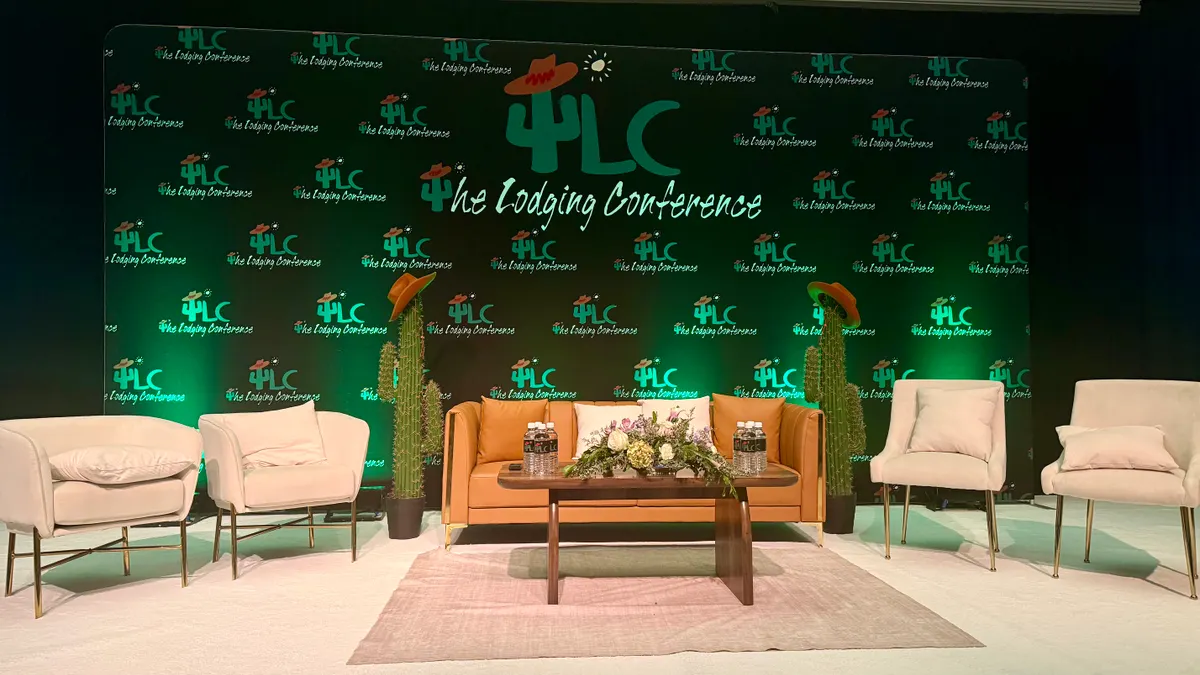
In the U.S., hotel net operating margins are down 20% since 2019, said Sloan Dean, founder and CEO of AI Hospitality Group, during a panel at this year’s Lodging Conference in Phoenix.
But despite profitability challenges and cost pressures, including rising labor, operating, construction and insurance costs, the hospitality industry has shown resilience.
“Nothing has ever gotten less expensive,” said Julienne Smith, head of Americas growth at Hyatt Hotels. “But we, as brand leaders, what we can do is try to take out some of that pain.”
“Are we being thoughtful about the cost? How are we delivering the brand promise through the operations model? Are we being as efficient as we possibly can while still delivering that promise?” she said. “These are the things we spend a lot of time and effort on.”
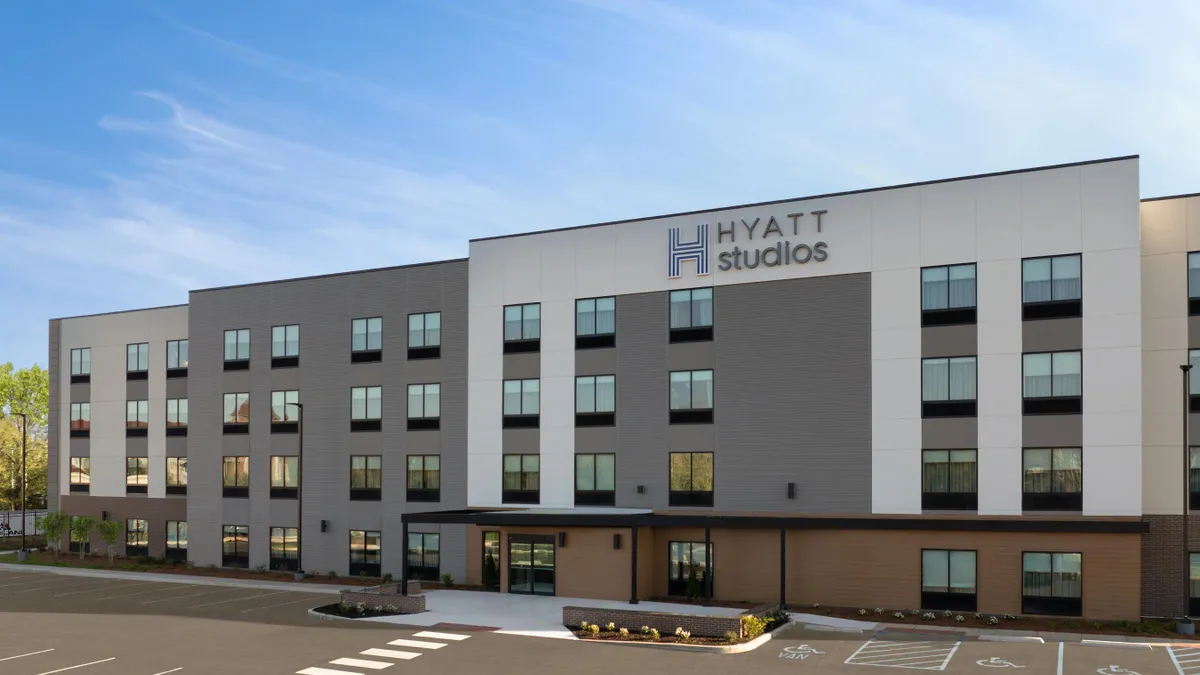
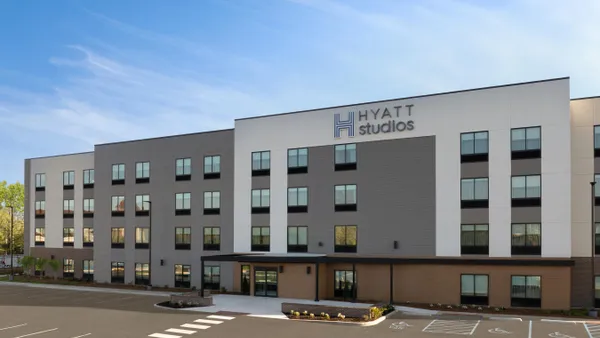
Smith, appointed to the role earlier this year, said Hyatt considers the cost to build prototypes along with other areas where it can shave costs and promote efficiency, while staying true to the brand. The company recently updated its Hyatt Place and Hyatt Studios prototypes, introducing new models that cut down on the number of rooms and space required and lower overall costs.
Although owners are facing shrinking profits, there are still opportunities for hoteliers to meaningfully grow their portfolios and meet the shifting needs of travelers. Panelists at the conference spoke on the increase in conversion activity, why some amount of brand proliferation keeps customers engaged and evolving extended stay demand.
Conversion are a ‘longer-term phenomenon’
With new supply growth relatively flat at 0.4% year over year in 2026, according to CoStar, conversions remain an important source of growth for hotel brands.
A brand’s ability to deliver on commercial performance, or its ability to generate returns, is what drives owners and developers to seek conversions, explained David Wilner, executive vice president and chief development officer at Wyndham Hotels & Resorts.
“Conversions will always outweigh construction until the cost of construction is aligned with the cost of acquisition," Wilner said.
According to Mark Sergot, chief development officer for the Americas at IHG Hotels & Resorts, conversions are “a longer-term phenomenon” because they can deliver on commercial performance. “[Owners might ask] what have I got? What was I sold? What was I getting? And is there an opportunity out there?”
Too many brands?
Development leaders also discussed whether the industry has too many brands, as evidenced by a proliferation of soft brands in recent years, and how those brands cater to different traveler needs.
“I think brands are trying to create their own ecosystems. They’re going to capture their client and get the greatest share of that wallet,” David Pepper, chief development officer at Choice Hotels International, said.
Hotel companies also look to acquisitions to add brands to their broader ecosystem and keep customers satisfied, Pepper added, noting Choice’s recent $130 million acquisition of RV travel membership company Harvest Hosts. About 2 million members in Choice’s loyalty program own an RV, he said.
Wyndham’s Wilner pointed out that the success of brands is determined by developers and owners, not companies, and launching a brand alone does not necessarily mean it’s fulfilled a lasting need.
“If you're still stuck at three, four or even five hotels, five years later [after launching a brand], is there really a need?”
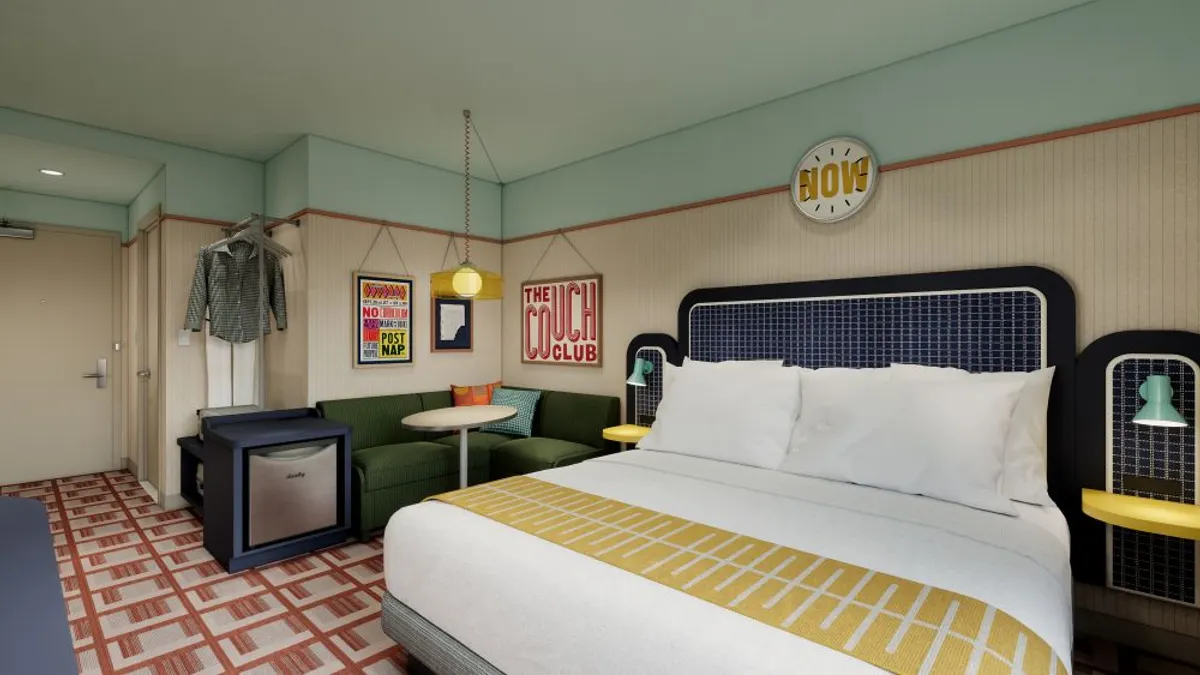
In 2025, Wyndham launched Dazzler Select, which opened 14 properties so far this year, while the company's Echo Suites extended stay brand has opened nearly 30 hotels since it launched in 2022, per Wilner.
How brands can meet different travelers’ needs
During the session, developers also touched on growth opportunities within different brand tiers, including luxury, which Dean described as “the darling” of the hotel industry for the past few years.
According to Matthew Hostetler, chief development officer at Red Roof, while the luxury segment is “outperforming,” the majority of U.S. travelers stay in select-service hotels from upscale down to economy. Those travelers, families and workers, “they're the ones that are driving the U.S. economy,” Hostetler said.
Sergot said current leisure travel patterns, with “luxury leisure” and then “leisure at the other end,” are illustrated by a K-shaped economy. But business travel, including from small- and mid-sized businesses, is “balancing out a bit more.”
“The strength that we're seeing in corporate travel among the Fortune 500 companies, that feels like a more balanced environment,” he said.
Another reason to have brands across segments is to keep customers engaged, because guests often opt to stay one tier down, Smith said. For example, a luxury guest may choose to stay in the upper upscale segment.
Demand drivers for extended stay
Another growth opportunity lies in the extended stay category, which makes up 38% of the new construction pipeline in the U.S., Wilner said.
While less extended stay supply is entering the market, the demand for the segment is increasing from drivers including a project-based workforce.
Hyatt’s Smith said that extended stay also yields higher returns for owners due to a less expensive labor model and lower construction costs.
Moreover, the customer at extended stay properties has also changed in the last 10 years, according to Sergot. Some guests are staying even longer at extended stay properties, meaning hotels need to include amenities, outside of just full-sized kitchens, to serve long-stay guests well.
“While the sector is growing, the customer who’s using it is also growing,” he said, noting there is white space for extended stay growth across the country as well as in Canada. “Maybe at a high level, it’s hard to see, but certainly as you get local, it's all over the place.”
Looking ahead, Wilner predicts RevPAR will increase and stay steady, and new construction projects might make a comeback as a result.
“But more importantly, owners will see more profitability in the next 30 years to come than they have in the last 20,” he said. “That is something to be more optimistic about because that puts more money into the deals, into acquisitions and refinancing … and then, hopefully the construction is going to come back in a big way.”