
Here is a number that should worry every hotel commercial leader. When ZS and HSMAI benchmarked how revenue managers spend their time, they found that more than half of it, 51 percent, goes to work that does not generate revenue. They pull reports, reconcile systems that disagree and reformat the same numbers for the owner. The more senior the manager, the worse it gets.
So before your hotel signs up for one more AI tool, take a hard look at where your commercial team's week actually goes.
This is the problem no one names. Your team is not short on data, they're buried in it. What they need is time for the one thing you hired them to do: decide.
Picture a normal morning. By 8 a.m. you have six tabs open. You export last night's pickup, then rebuild it by hand because you don't trust the version the system gave you. You shape the result into something the owner will actually read. By the time you can see what happened overnight, half the morning is gone and you have not made a single decision yet. You have only gotten ready to make one and the market has already moved on.
This is the shape of the job. You can't trust your numbers until you rebuild them. You can't tell the owner what you already know without 30 pages of proving it. Your portfolio spans dozens of properties, but you can't see them in one place. You were hired for your judgment, but you can't remember the last time you had the time to effectively use it.
It would be easy to blame the tools, or the team. The real enemy is the gap between knowing and deciding. That is where the revenue leaks.
Close the gap and the job changes. The work only a person can do moves back to the center: reading a market that unexpectedly changed overnight, weighing the impact of a group in a predominantly transient season, knowing which competitor moves to answer and which to ignore. That is judgment and no system has it. But your team does.
Dashboards aren't going anywhere. Commercial teams need to see what's happening without rebuilding the picture from scratch every morning. The problem is how we use them. Every commercial leader has been guilty of requesting yet another dashboard, hoping it will create enough transparency or accountability to solve a problem that runs deeper (I know I have. ) The technology to go further did not exist until recently.
It doesn't matter how good a dashboard is. It will never carry data all the way to a decision. The last mile, from seeing what is happening to handling it, still requires hours of manual work. Reports get you closer, not all the way.
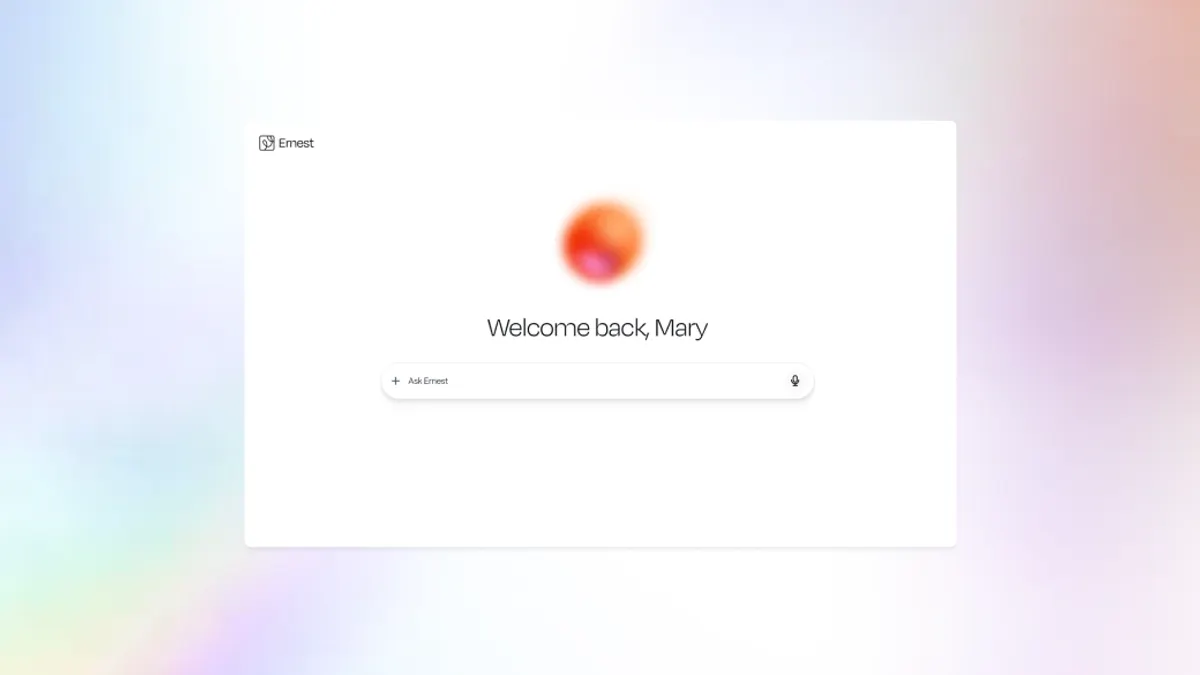
That is why we built Ernest: one place to ask, decide and act, so your team can finally get back to the work they got into this for in the first place.
Used well, AI clears the desk in front of you, taking on the scanning, the rebuilding and the tedious tasks. Now you can ask a question in plain language and get an answer grounded in the whole picture: rate, demand, comp set and direct channel, all in one place, before the day begins. Now you can walk into the meeting with a decision instead of a deck.
None of this is about machines getting smarter. It is about people getting their judgment back. The hotels that win the next few years will not be the ones with the most AI. They will be the ones whose commercial teams spend less time getting ready and more time deciding well, paired with the most effective AI as a force multiplier.
Juanjo Rodriguez is Chief AI Officer at Lighthouse. Ernest, Lighthouse's AI, is the newest member of your commercial team. Learn more at askernest.ai