The following is a guest post from Paige Harris, vice president of architecture and design at Valor Hospitality. Opinions are the author’s own.
In today’s competitive and experience-driven hospitality industry, creating memorable moments for guests is no longer optional — it’s essential.
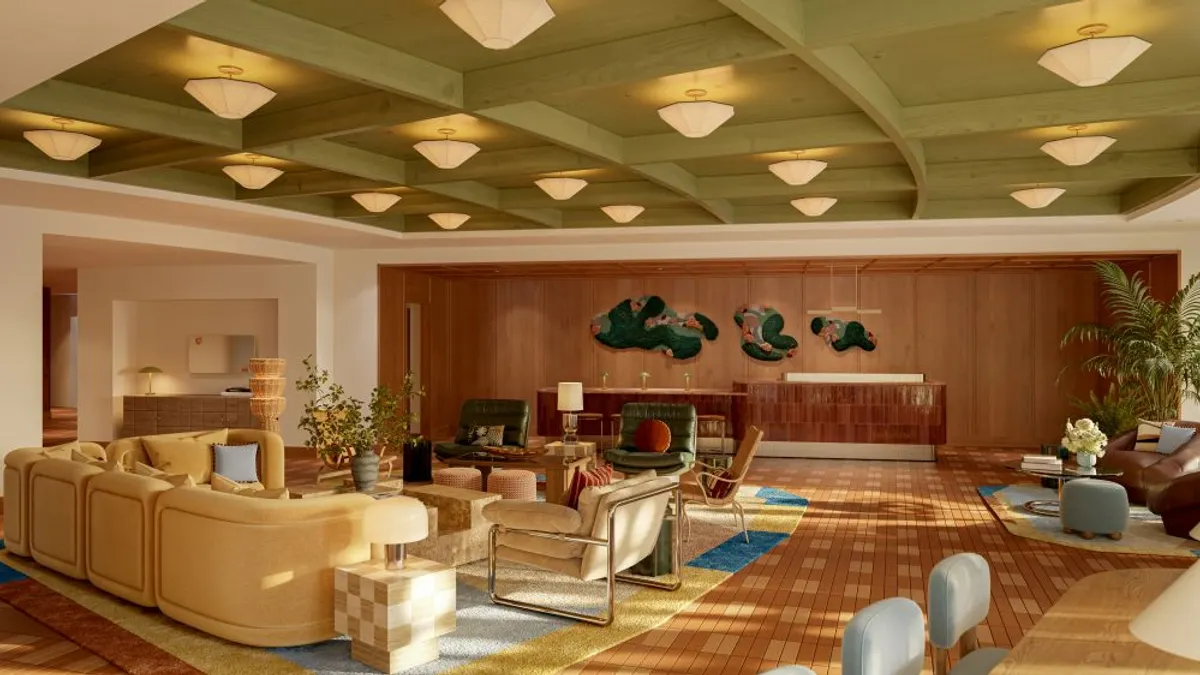
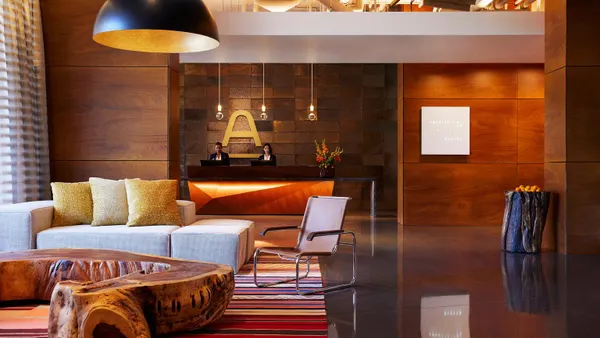
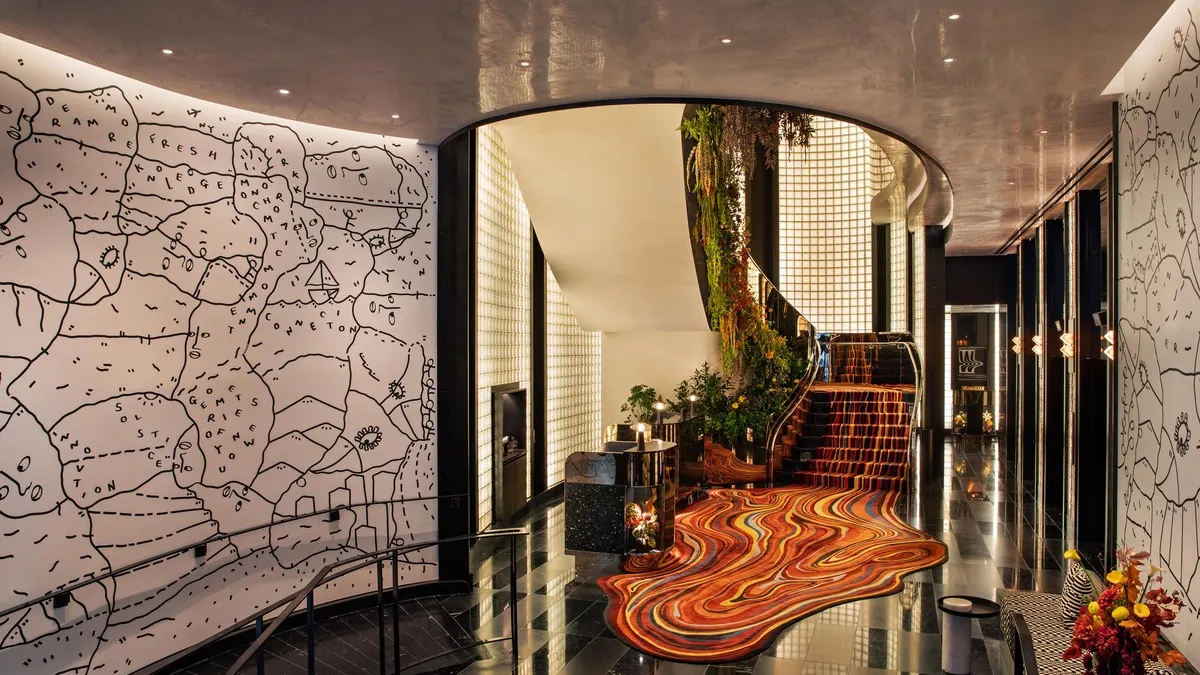
With well-designed interiors likely to increase overall guest satisfaction and travelers increasingly choosing hotel stays based on design alone in the age of social media, hotels must be getting design right.
Because of this, guests rightly expect every touchpoint to be elevated. Think back to the last time you stayed at a hotel. What stood out to you? I bet it was a small detail, like the scent of the lobby or the complimentary treats in your room. Still, maybe it was how functional the bathroom was, or the little surprises you found in the decor. It’s rarely the large features that have the biggest impact.
Crucially, for designers, it is important to balance functionality and cost-efficiency for hotel owners, and provide some emotional connection to guests. A simple way to do this is through small, thoughtful design interventions.
The lasting micro-moment
Psychology indicates that people form an impression of a space within the first seven seconds of entry. Realistically, guests only remember when something interesting happened at the end of their stay. Otherwise known as the peak-end rule, our brains tend to take a snapshot of the most emotionally charged moments and the final outcome. These are the two points we tend to use to shape our perceptions.
Through small design-driven details, hotels can easily produce memorable ‘peaks’ that will leave a lasting impression on guests. Strong designs that work well will result in the guest noticing the comfort, not the effort. It’s the difference between a guest thinking, ‘I need to find a place for my bag,’ and their bag naturally landing in the perfect spot.
Touching the senses
The design of a hotel should touch every sense. Throughout their stay, guests should experience a blend of sights, sounds, textures and aromas. Once again, these features don’t need to be expensive — they can be small but meaningful adjustments. Consider how lighting, acoustics and tactile materials can elevate a stay from functional to unforgettable.
For example, carefully selecting a scent that reflects the overall design of the hotel can have an immediate impact on a guest's stay. “Scent marketing” can help generate a positive feeling and even nostalgia for some guests. For coastal hotels, choosing a fresh, crisp scent helps to complement the location and the aesthetic of the property.
Lighting is also a crucial factor. Lights that automatically warm in tone or darken throughout an evening aid a guest’s sleep without anyone lifting a finger.
Bringing the local in
There is also a huge demand for community influence from hotel owners and guests alike. Whether that is achieved by working with local food suppliers in hotel restaurants; supporting neighbourhood artists and designers; using materials produced nearby; or including a regional influence in the interiors — using as many local partnerships as possible is key.
Guests increasingly want to feel they have really experienced a place, so incorporating that into the design is another way of producing memorable moments.
As a result, interior designers must consider ways to incorporate local heritage, which can include incorporating local fabrics, colors and traditions to help create a sense of authenticity.
Making the business case
Thoughtful, small design investments are not just an aesthetic luxury — they are a vital business tool. By creating unexpected "peaks" during the stay, hotels use the peak-end rule to ensure guests leave with an overwhelmingly positive overall perception, encouraging positive reviews, social media coverage and guest loyalty.
Ultimately, small but carefully considered design details represent a valuable way for owners to differentiate their hotel and drive a tangible return on investment by investing in emotional connection and enhanced guest retention.