At the start of 2025, development leaders from top hotel companies forecast that conversions would remain a leading growth opportunity amid lending constraints and elevated construction costs, but they were optimistic that anticipated federal interest rate reductions would spur future projects. One year later, their predictions for 2026 remain somewhat the same.
A year of tariffs, turbulent travel trends and broader economic uncertainty dampened hotel performance in 2025 and stalled development projects as financial pressures increased and significant interest rate cuts never materialized.
Hospitality players are still hoping for further rate reductions. Development leaders, specifically, are entering 2026 with cautious optimism — albeit more optimism now than six or nine months ago, Kevin Schramm, IHG’s senior vice president for Mainstream Brands in the U.S. and Canada, told Hotel Dive.
Last year’s challenges didn’t stop hotel companies from launching new brands and expanding portfolios. And companies, including Hilton and Marriott, see their new conversion-friendly collection brands as a top growth opportunity for 2026. Development chiefs are also eyeing the extended stay category for stable growth in the new year.
As 2026 gets underway, six development leaders — one each from Marriott, Hilton, Wyndham, IHG, Choice Hotels and Hyatt — shared with Hotel Dive their outlooks on the hotel development landscape, with insights into what will drive pipeline growth and strategy in the coming year.
Responses have been edited for length and clarity.
“Construction costs, labor availability and financing terms continue to require careful management, even as capital markets stabilize. Developers will need to demonstrate realistic ramp-up assumptions and strong operational support from brands. Projects that succeed will be those aligned closely with market demand and designed with efficiency in mind.”

Dan Hansen
Head of Americas Development at Hyatt
More from Hansen:
In 2026, hotel development activity will concentrate around projects with clear paths to returns, including conversions, select new builds and well-positioned full-service and resort developments. In particular, owners will prioritize speed to market, efficient operating models and brands that can deliver demand across leisure and group business.
Factors including tariffs, geopolitical concerns and broader economic uncertainty will continue to influence how projects are structured, rather than fundamentally changing the long-term demand for hotels. In the current environment, assets supported by strong loyalty platforms, broad distribution and diversified demand sources have a clear advantage.
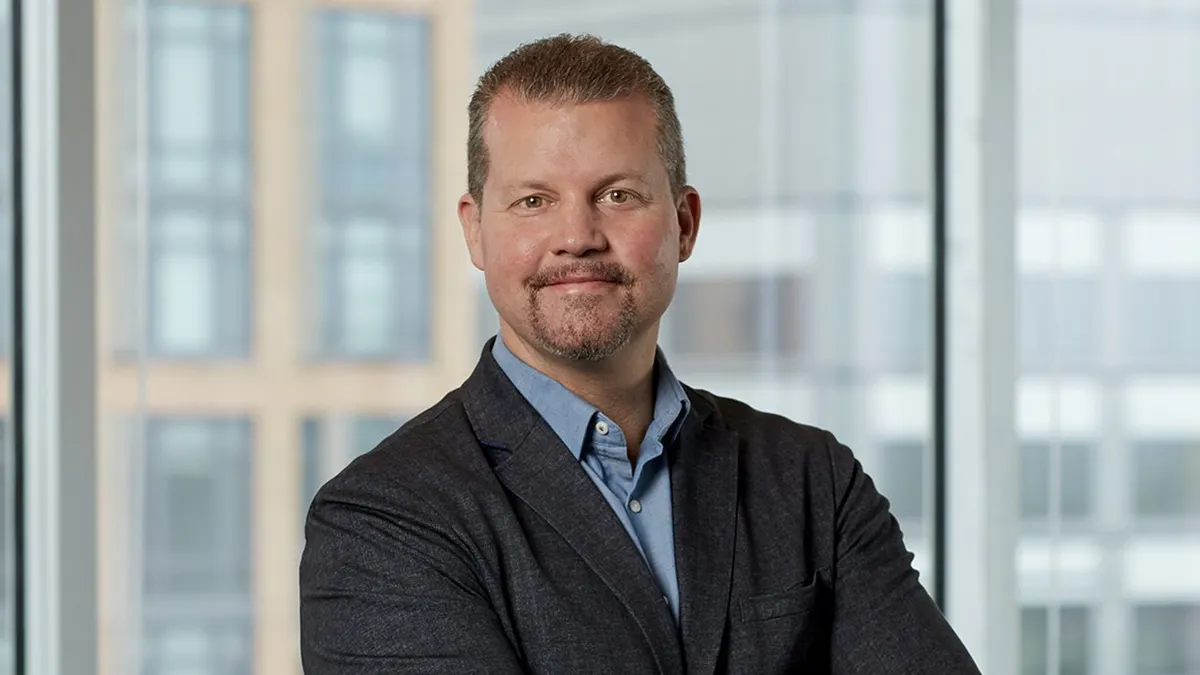
“Developers across all segments and regions are keeping an eye on potential additional interest rate adjustments. Further reductions could provide more attractive financing and sway developers who are on the fence.”
Kevin Schramm
Senior Vice President of Mainstream Brands in the U.S. & Canada at IHG Hotels & Resorts
More from Schramm:
Future interest rate reductions, however, wouldn’t immediately reset development activity to the levels of the late 2010s and are more likely to bring longer-term impacts. For now, overall project costs will factor more into development decisions, and developers will turn to conversion projects, which allow for faster turnaround and opening times and bring about more rapid revenue and income.
Meanwhile, high costs will remain a challenge in 2026, with no present signs of reduction among labor, material and land expenses. Developers may be better prepared to adapt to higher costs, but the potential impacts will still carry through. Owners and developers, though, are realizing their own resilience following the inflation and higher interest rates of recent years, and there’s plenty of opportunity for those willing to take calculated risks.
“One underlying trend, and one of our most powerful growth engines, is conversions, which continue incredible expansion across brand tiers and segments.”
Shawn Hill
Chief Development Officer at Marriott International
More from Hill:
Locally resonant collection brands will continue to be a key growth driver in 2026, as they provide owners with flexible pathways for conversions. Marriott will further expand its newly launched Series by Marriott and Outdoor Collection brands. Meanwhile, luxury development will remain a cornerstone of Marriott’s growth strategy, and midscale development will continue to experience strong momentum.
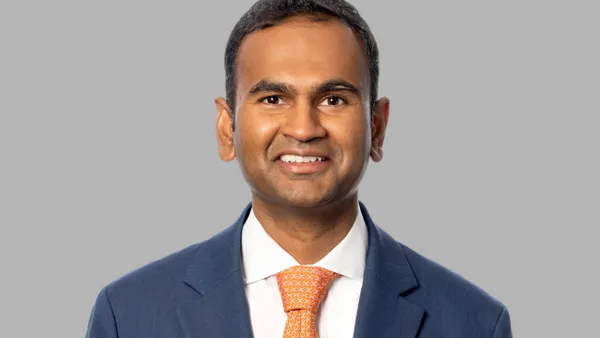
“You’re going to continue to see smart growth: more conversions, more efficient prototypes and an emphasis on those segments where owners can get to durable returns faster. In practical terms, that means brands and developers leaning into offerings that are simpler to build and operate — while still meeting today’s guest expectations. At Wyndham, we see that most clearly in extended stay and essential-tier hotels, where demand is resilient and operating models are more predictable regardless of macro volatility.”
Amit Sripathi
Chief Development Officer at Wyndham Hotels & Resorts
More from Sripathi:
Extended stay will continue to stand out because it’s supported by multiple demand streams, including project-based work, relocations, infrastructure development and longer value-driven trips. Meanwhile, opportunity lies in drive-to leisure and everyday travel markets, namely secondary and tertiary destinations where travelers still need dependable, high-value lodging.
Broader economic uncertainty tends to impact certain international and gateway markets more than others, pushing developers toward assets that can win with local, regional and essential travel. As uncertainty continues to encourage conservative underwriting, developers will prioritize projects that have clear demand drivers, lower complexity and faster ramps to stabilization.
“Extended stay remains one of the most compelling investment opportunities in hospitality, driven by the AI and data center boom and the continuing bleisure trend.”
David Pepper
Chief Development Officer at Choice Hotels International
More from Pepper:
With interest rates beginning to ease, transaction activity picking up and construction costs stabilizing, a healthier development environment will create strong opportunities for hotel owners and developers in 2026. Conversions, specifically, will be one of the major growth vehicles for the industry.
“For new developments, some lending constraints and elevated build costs mean high-quality, brand-backed deals have a competitive edge.”
Matt Wehling
Senior Vice President of Development in the U.S. and Canada at Hilton
More from Wehling:
The luxury and lifestyle segments will continue to be powerful growth engines for Hilton in 2026, as owners look to cater to rising guest demand for boutique accommodations. Hilton will expand its newly launched lifestyle collection brand Outset, which has more than 60 hotels in development across the U.S.
Hotel conversions in secondary and tertiary markets, where owners value speed‑to‑market, will also gain traction.