The Federal Reserve on Wednesday cut the main interest rate by a quarter percentage point. The decision has implications for the hospitality sector, with industry leaders touting the trim as a catalyst for stronger hotel investment in 2026.
The newly lowered interest rates range between 3.5% and 3.75%, and the cut follows the Fed’s previous rate reductions in October and September. The decision bodes well for hospitality players hoping to break out of a muted investment cycle, with the cuts likely to motivate investors off the sidelines as the cost of debt lowers, Kevin Davis, Americas CEO for JLL’s Hotels & Hospitality Group, told Hotel Dive earlier this week.
Davis and other hospitality leaders from JLL, the American Hotel & Lodging Association and investment firm AWH Partners shared insights with Hotel Dive on how Wednesday’s rate cut will impact the hotel industry directly. The executives also shed light on the top trends that will drive hotel investment in 2026.
Additional rate cuts could spur hotel deals
After many months of high interest rates that have stalled hotel renovations and slowed project development, “the Fed’s rate cut is an extremely welcome development,” AHLA President and CEO Rosanna Maietta told Hotel Dive Wednesday.
Lower interest rates, she said, will “bring down the cost of capital and encourage new investment.”
There will likely be a significant pickup in U.S. hotel transaction volume in 2026 if federal interest rates continue to drop in the new year, which Davis expects.
U.S. hotel transaction activity had already picked up into the second half of 2025, Davis said, though the Fed’s Wednesday decision is likely to further catalyze movement.
In the first half of 2025, U.S. hotel transaction volume increased 3.9% year over year to $9.7 billion, according to a JLL report. Global hotel transaction volume was down significantly for the same period, though, with economic headwinds and cost pressures keeping investors on the sidelines.
“Hotel transaction volumes have been depressed far below historic norms for the past several years for a variety of reasons,” including the higher costs of debt, payroll, taxes and insurance, Russ Flicker, co-founder and managing partner at AWH Partners, told Hotel Dive.
Pent-up demand from hotel owners looking to trade, coupled with pressure from lenders and franchisors and a stock of hotels that need renovations, will lead to higher transaction volumes in 2026 and beyond, Flicker added.
Davis expressed a similar sentiment, saying that a backlog of interested investors who have been sidelined, bolstered by rate cut momentum, will “result in a meaningful increase in transaction activity” in 2026.
According to Flicker, Wednesday’s rate cut will help build momentum in capital markets activity, but “investors will be listening carefully to [Fed Chair Jerome Powell] and his likely successor for signals about rates going into next year.”
Powell’s leadership term ends in May, and President Donald Trump is expected to announce a successor for the role early in 2026, Reuters reported Tuesday.
Muted performance won’t kill transaction activity
An uptick in hotel transaction activity is expected in 2026 despite “just okay” hotel performance fundamentals, according to Davis.
Hotels saw less-than-desirable RevPAR results throughout 2025, leading CoStar and Tourism Economics to project that U.S. RevPAR will decline for the full year in their final forecast revision of 2025, published last month.
It’s not unlikely that muted hotel performance will continue into the new year, Davis said. Soft market fundamentals, currently challenging many of the chain scales, will create an interesting — albeit not necessarily negative — investment environment next year, Davis said.
“2026 will be an inverse of 2022,” he said, explaining that in 2022, there were “strong operating fundamentals but deteriorating capital markets, which caused transaction activity to slow down.”
Next year, however, there will be flat-to-limited RevPAR growth, but a strong capital markets environment because of rate reductions, leading to increased transaction activity, Davis said.
Luxury hotels, urban areas remain gems
At mid-year, JLL reported that investors would focus on luxury hotel acquisition in the coming months as high-net-worth wealth expanded while the middle class contracted. That trend will continue into 2026, Davis noted.
There is currently a growing bifurcation in which luxury travelers and luxury chain scales continue to do very well while everything from upscale down is generally negative, Davis said. Hospitality professionals at this year’s Lodging Conference noted a similar trend.
The hotel industry can expect a number of luxury assets to come to market in 2026, Davis said, though he declined to point to any specific deals.
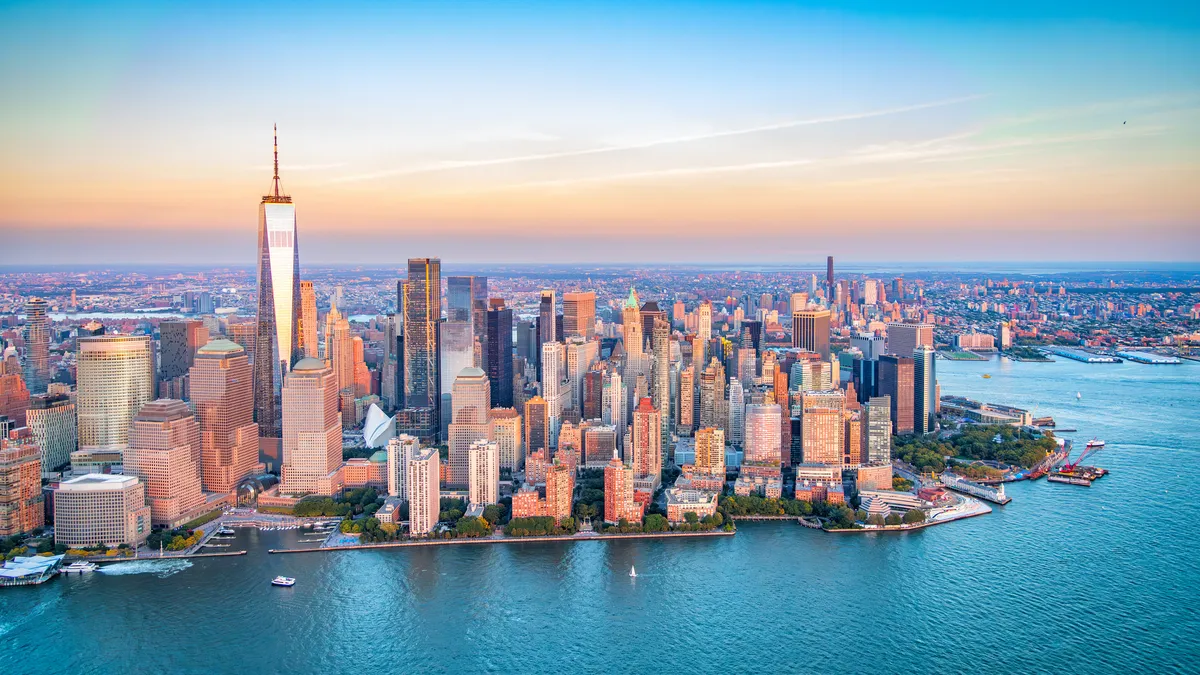
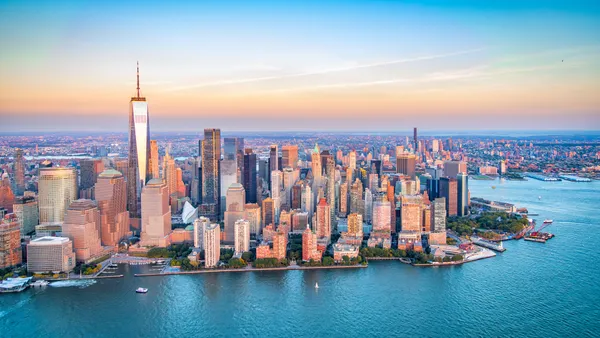
Additionally, urban markets will continue to be desirable to hotel investors next year, per Davis. “Chicago, New York City and, drum roll, St. Louis are among the better performers year-to-date,” he said.
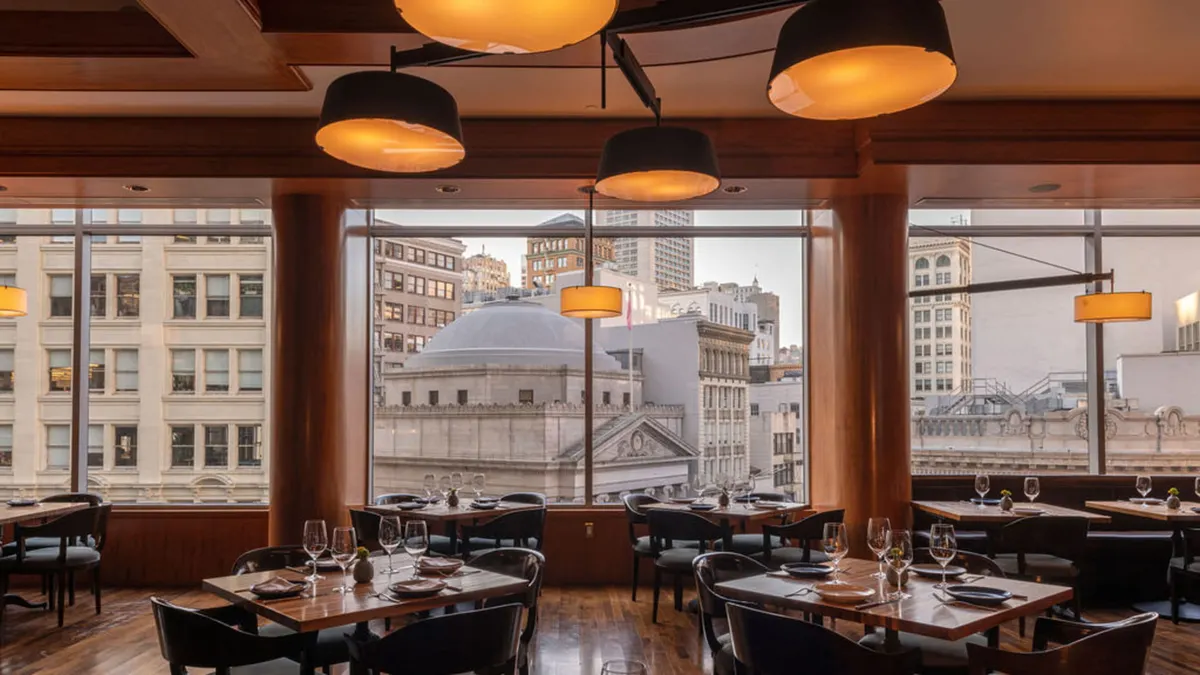
Dan Peek, Americas president for JLL’s Hotels & Hospitality Group, told Hotel Dive earlier this week that San Francisco will be another market to watch closely in 2026 amid the city’s rebound. Earlier this month, Blackstone Real Estate acquired the luxury Four Seasons Hotel San Francisco for nearly $130 million.
“On the luxury side, but also the urban side, you have a lot of pent-up sellers — people who wanted to transact for a number of years now, who may finally have a chance,” Peek said.